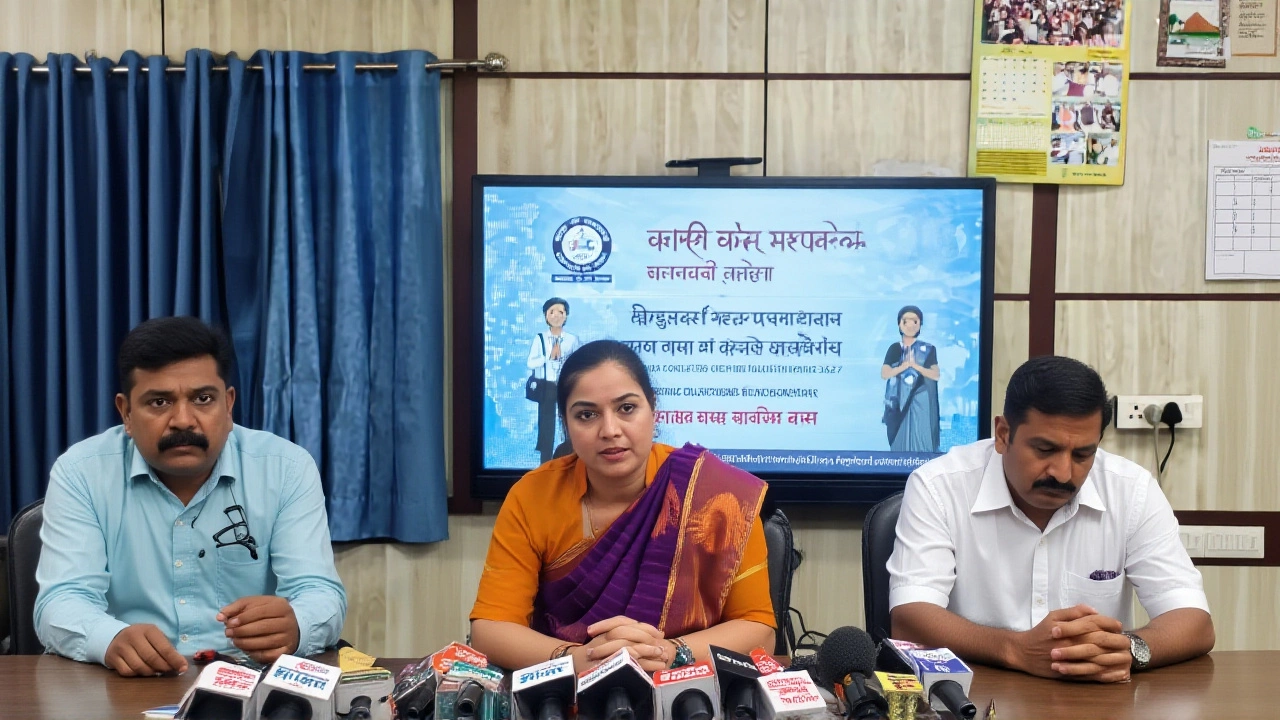
When Bihar residents woke up on Saturday, May 2, 2026, the ground rules for how India counts its people had shifted permanently. The first phase of Census 2027Bihar officially launched, marking a historic pivot to a fully digital enumeration process. This isn't just another bureaucratic exercise; it’s a massive data overhaul that will dictate resource allocation for years to come.
The operation, overseen by the Ministry of Home Affairs, Government of India, focuses initially on houselisting and housing census operations across the state. While the self-enumeration window closed last Friday, May 1, 2026, the real work begins now as trained enumerators hit the streets with tablets instead of paper forms.
A Fully Digital Shift
Here's the thing: this is the first time in Indian history that a census is being conducted entirely through digital means. No more carbon copies or lost files. The government has deployed a hybrid model where citizens who missed the online self-registration window are now being captured via door-to-door surveys using handheld devices.
The self-enumeration phase ran from April 17 to May 1, 2026. During those 15 days, households could log into the official portal at s.s.gov.in or use a dedicated mobile app to answer 33 specific questions about their family structure, amenities, and basic demographics. Those who completed this step received a unique "Self Enumeration ID" (SCID), which they were advised to save securely. Why? Because when an enumerator visits later, this ID serves as proof of prior registration, streamlining the verification process.
For those who didn’t participate—or couldn’t due to lack of internet access—the door-to-door survey runs from May 2 until May 30, 2026. Some reports suggest the window might extend to May 31, but the Ministry of Home Affairs has firmly set May 30 as the deadline for this initial houselisting phase. The goal is simple: ensure no household slips through the cracks before the deeper population count begins.
What Enumerators Are Asking
The data collection is precise. Enumerators aren't just counting heads; they're building a structural map of Bihar’s living conditions. The 33-question questionnaire covers:
- Number of rooms and construction type
- Availability of electricity, water, and sanitation facilities
- Ownership status of the dwelling
- Basic demographic details like age, sex, and marital status
- Socio-economic indicators including occupation and literacy levels
This granular data is crucial. It moves beyond simple headcounts to understand the quality of life and infrastructure gaps. For policymakers, knowing how many homes have functional toilets or reliable electricity is just as important as knowing how many people live there.
Privacy and Legal Safeguards
Naturally, handing over personal data raises concerns. But wait—the government has been clear about legal protections. Under the Census Act, 1948, all information provided is strictly confidential. It cannot be used for any purpose other than statistical analysis. Your data won't be shared with tax authorities, law enforcement, or third parties. This legal shield is designed to build trust and encourage accurate reporting, especially among marginalized communities who may fear repercussions.
The Registrar General & Census Commissioner of India, operating under the MHA, has emphasized transparency. Every citizen’s identity is protected, and the data is anonymized for public release. This approach aims to replicate the success of previous digital initiatives while addressing past privacy anxieties.
Why This Matters Now
The twist is that this first phase is just the foundation. The second phase, scheduled for February 2027, will delve deeper into individual socio-economic profiles, including caste, religion, and detailed employment statistics. The current houselisting ensures that when that deeper dive happens, every household is already mapped and identified.
This data will directly influence:
- Delimitation of electoral constituencies
- Allocation of central funds for health and education schemes
- Infrastructure planning for roads, schools, and hospitals
- Policy formulation for rural development
In a state like Bihar, with its dense population and rapid urbanization, accurate data is the difference between effective governance and wasted resources. A miscount here could mean millions missing out on targeted welfare programs.
Looking Ahead
As the May 30 deadline approaches, the focus remains on completeness. Officials are urging citizens who haven’t yet registered to cooperate with enumerators. The digital trail left by this census will shape Bihar’s political and economic landscape for the next decade. Whether you’re a voter, a taxpayer, or a beneficiary of social schemes, your presence in this dataset matters.
Frequently Asked Questions
What is the difference between Phase 1 and Phase 2 of Census 2027?
Phase 1, running from May 2 to May 30, 2026, focuses on houselisting and housing census. It maps physical dwellings, their amenities, and basic household structures. Phase 2, planned for February 2027, is the population enumeration, which collects detailed individual data such as age, sex, occupation, literacy, caste, and religion. Phase 1 ensures every home is counted; Phase 2 counts every person within those homes.
Is my personal data safe during the digital census?
Yes. All data collected is protected under the Census Act, 1948. Information is strictly confidential and used only for statistical purposes. It cannot be accessed by other government agencies for legal or tax enforcement. The government has implemented robust cybersecurity measures to prevent data breaches during the digital transmission process.
I missed the self-enumeration window. What should I do?
Don’t worry. Trained enumerators are visiting every household in Bihar between May 2 and May 30, 2026. They will collect your data digitally using handheld devices. If you did register online, keep your Self Enumeration ID (SCID) handy to speed up verification. If you didn’t, simply provide the required information to the enumerator at your door.
How will this census affect future elections in Bihar?
The census data is the primary basis for delimitation, the process of redrawing electoral constituency boundaries. Accurate population counts ensure fair representation in legislative bodies. An undercount or overcount can lead to malapportionment, affecting voting power. Therefore, the precision of Census 2027 will directly impact the political map of Bihar for the next election cycle.
Where can I check if my house has been listed?
While there is no real-time public tracker for individual houses, you can verify your status by checking if an enumerator has visited your residence. If you completed self-enumeration, you should have received a confirmation SMS or email with your SCID. For general updates, monitor the official Ministry of Home Affairs website or local district administration notices.